
Introduction
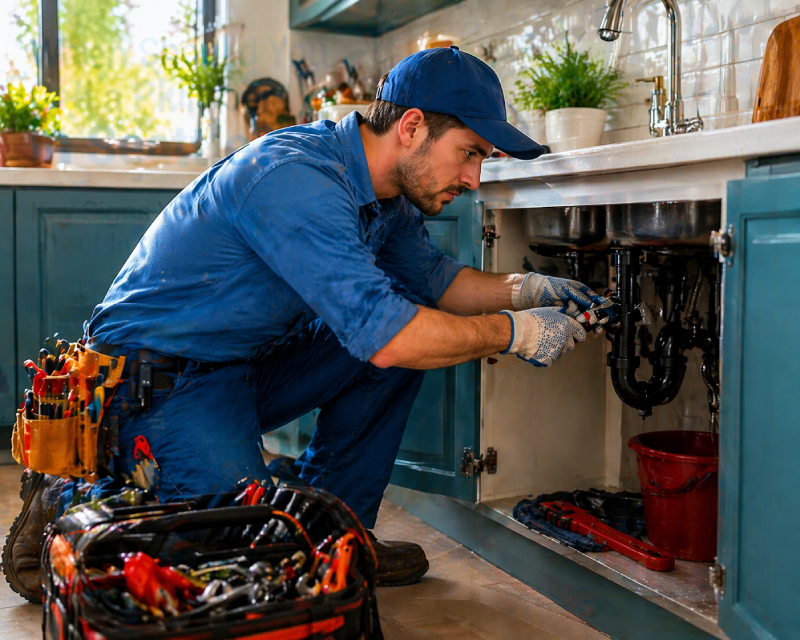
Plumbing problems can happen at the most inconvenient times. While some minor issues can be handled with a DIY approach, others require immediate attention from a professional. Knowing when to call a plumber is crucial to prevent further damage to your home. In this blog, we’ll highlight the key signs that you shouldn’t ignore and when it’s time to call for professional help. Early intervention can save you both time and money.
Common Signs That You Need a Plumber
Understanding the early warning signs of plumbing problems can help you avoid costly repairs down the line. Here are some of the most common indicators that you need to call a plumber:
1. Persistent Leaks
If you notice a leaking faucet, pipe, or toilet that won’t stop dripping, it’s a clear sign you need a plumber. Leaks, even small ones, can lead to significant water damage if not addressed promptly. For professional leak detection, call your local Seattle plumbing experts to prevent further damage.
2. Slow or Clogged Drains
Clogs can occur in any part of your home’s plumbing system, from the kitchen sink to the shower drain. If plunging or using chemical cleaners doesn’t solve the problem, it may be time to bring in an expert for clogged drain repair in Seattle. A plumber can safely remove blockages without causing damage to your pipes.
3. Low Water Pressure
Low water pressure can be a sign of an underlying plumbing issue, such as a clogged pipe, a malfunctioning pressure regulator, or a problem with the municipal water supply. If your water pressure drops suddenly, it’s best to call a professional plumber to diagnose and fix the issue.
4. Water Heater Problems
If your water heater is producing lukewarm or cold water, making strange noises, or leaking, these are signs of a problem. A plumber can inspect the unit and recommend whether it needs repair or replacement to restore hot water to your home.
Emergency Plumbing vs. Normal Plumbing Issues
Not all plumbing problems require emergency attention. It’s important to differentiate between an issue that requires immediate professional assistance and one that can wait. Here’s how to distinguish between emergency and normal plumbing issues:
Emergency Plumbing Issues
- Pipe Bursts: A burst pipe is a plumbing emergency that can cause significant damage to your property.
- Major Leaks: A large, ongoing leak can flood your home, leading to water damage and mold growth.
- Clogged Sewer Line: A backed-up sewer line can cause raw sewage to spill into your home, creating serious health risks.
- Water Heater Failure: If your water heater stops working or leaks, it may require immediate repair or replacement.
Normal Plumbing Issues
- Slow Drains: While annoying, slow drains are typically not an emergency but should be addressed promptly.
- Leaky Faucets: A leaky faucet is wasteful but doesn’t cause immediate damage and can be fixed in a timely manner.
- Running Toilets: A toilet that constantly runs may waste water, but doesn’t necessarily require emergency plumbing services.
Risks of Delaying Plumbing Repairs
Delaying necessary plumbing repairs can lead to worsening issues that can cost you more in the long run. Here are the risks associated with postponing plumbing fixes:
- Water Damage: Leaks or standing water can damage your floors, walls, and foundation, leading to costly repairs.
- Mold Growth: Stagnant water from leaks can promote mold growth, which can affect your health and property.
- Higher Repair Costs: Small issues, such as a slow drain, can escalate into major problems like pipe bursts if not addressed early, leading to more expensive repairs.
- Water Waste: Plumbing issues like leaks or running toilets waste water, which increases your water bills over time.
What Does a Plumber Do?
Plumbers are trained professionals who specialize in installing, repairing, and maintaining various plumbing systems in your home. Here’s what a plumber typically does:
- Inspects and Diagnoses Problems: Plumbers use specialized tools, such as cameras, to inspect and diagnose plumbing issues.
- Repairs Pipes and Fixtures: A plumber can repair or replace damaged pipes, faucets, toilets, and water heaters.
- Clears Clogs: Whether it’s a drain or sewer line, plumbers can clear blockages using advanced techniques like hydro-jetting.
- Installs New Plumbing Systems: If you’re remodeling or building a new home, plumbers install new pipes, fixtures, and water systems.
Final Thoughts
Recognizing the signs that you need to call a plumber is essential to maintaining your home’s plumbing system and preventing costly damage. Whether it’s a minor leak or a major emergency, don’t ignore the issue contact a professional plumber in Seattle as soon as possible. For expert services, including emergency plumbing services in Seattle, reach out to our team today!